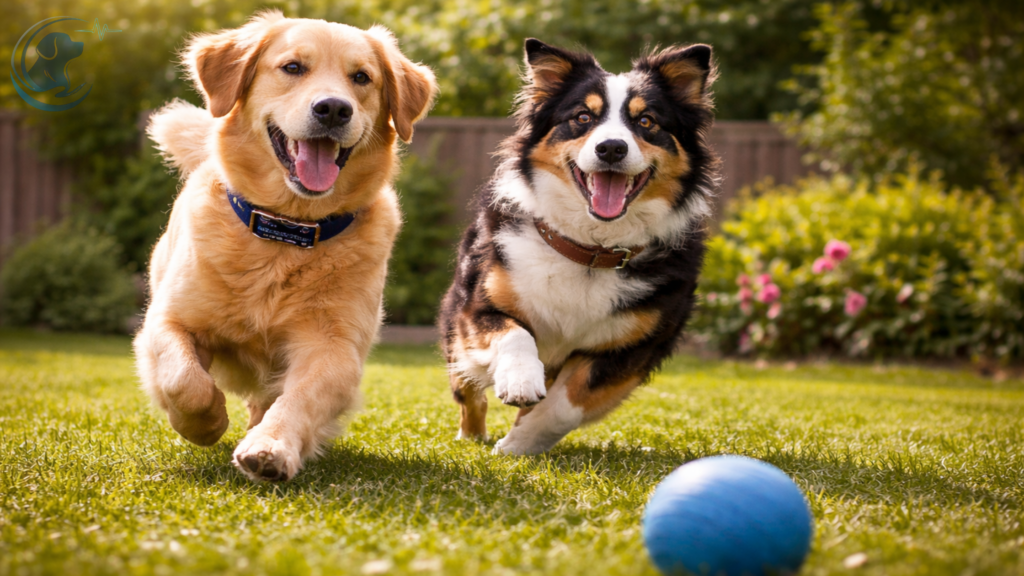

One of the most common questions dog owners ask is how much exercise their dog actually needs. While it may seem like a simple question, the answer depends on several factors including breed, age, health, and daily routine. Many dogs today are either under-exercised or over-exercised simply because owners are unsure of what is truly appropriate.
Understanding your dog’s activity needs is essential not just for physical health, but also for behaviour, mood, and overall wellbeing.
Why Exercise Matters More Than You Think
Exercise plays a crucial role in a dog’s life. It supports cardiovascular health, maintains a healthy weight, and helps regulate energy levels. Beyond physical benefits, regular activity also reduces stress, anxiety, and destructive behaviour.
Dogs that do not get enough exercise often show signs such as restlessness, excessive barking, or chewing. On the other hand, dogs that receive balanced and consistent activity tend to be calmer, happier, and more responsive.
Factors That Influence Exercise Needs
Not all dogs require the same level of activity. A young and energetic breed will naturally need more exercise compared to an older or smaller dog. Similarly, working breeds often require both physical and mental stimulation, while some companion breeds may be satisfied with shorter walks and light activity.
Health conditions also play a role. Dogs recovering from illness or injury may require limited activity, while others may need carefully monitored routines to maintain fitness without overexertion.
Finding the Right Balance
The key to proper exercise is balance. Too little activity can lead to health and behavioural issues, while too much can cause fatigue or strain. Observing your dog’s behaviour is one of the most effective ways to determine what works best.
A well-exercised dog will appear relaxed, sleep comfortably, and maintain a steady level of energy throughout the day. Sudden changes in behaviour or energy levels can indicate that adjustments are needed.
The Role of Consistency
Consistency is just as important as the amount of exercise. Dogs thrive on routine, and regular activity at similar times each day helps them feel secure and balanced. Whether it is walks, playtime, or interactive activities, maintaining a predictable schedule supports both physical and emotional health.
Understanding Activity Through Better Awareness
Modern pet care is moving toward a more informed approach. Instead of guessing how active a dog has been, many pet owners are now looking for ways to better understand daily activity patterns.
Having visibility into your dog’s activity levels can help you identify whether they are getting enough movement, resting properly, or showing unusual changes. This awareness makes it easier to adjust routines and provide better care.
Conclusion
There is no single answer to how much exercise a dog needs, but there is always a right balance for each individual pet. By paying attention to behaviour, maintaining consistency, and staying aware of activity levels, you can ensure your dog remains healthy, happy, and well cared for.
Understanding your dog’s needs is the foundation of better pet care, and small adjustments in daily routine can make a meaningful difference over time.
Want to better understand your dog’s daily activity and wellbeing
Join the Pawhisper waitlist and be among the first to experience a smarter way to care for your pet