
Dogs, like humans, can experience anxiety. While some level of stress is normal, ongoing anxiety can affect your dog’s behaviour, health, and overall wellbeing. The challenge for many pet owners is recognising the signs early, as anxiety in dogs is not always obvious.
Understanding what your dog is feeling and why they feel that way is the first step toward helping them feel safe and calm.
Common Signs of Anxiety in Dogs
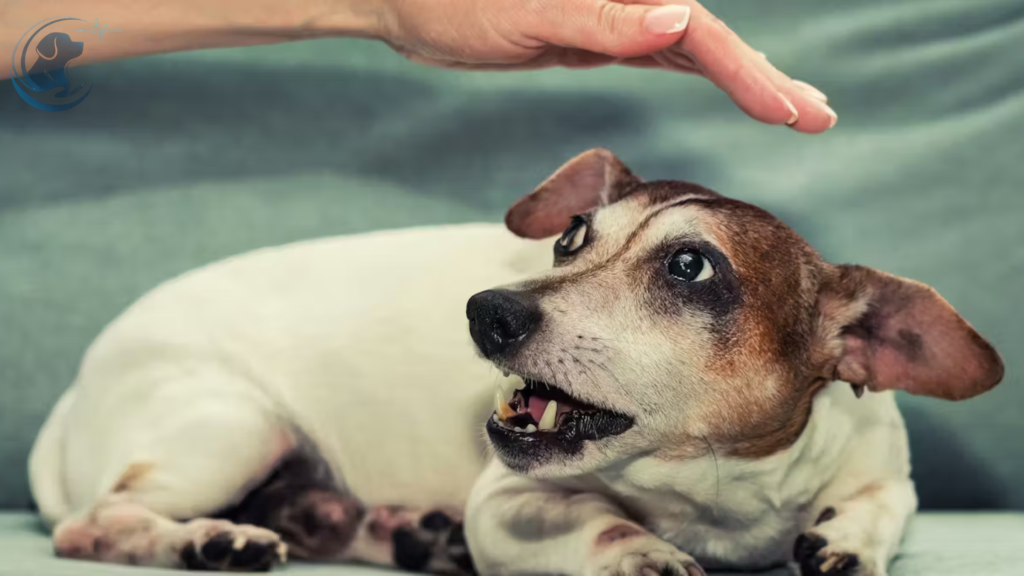
Anxiety can show up in different ways depending on the dog. Some dogs become restless and unable to settle, while others may withdraw or become unusually quiet. Changes in appetite, excessive barking, pacing, or destructive behaviour can all indicate underlying stress.
These behaviours are often misunderstood as disobedience, but in many cases, they are your dog’s way of communicating discomfort or unease.
What Causes Anxiety in Dogs
There are several factors that can lead to anxiety in dogs. Changes in routine, being left alone for long periods, unfamiliar environments, or past experiences can all contribute. Even small changes, such as a new schedule or different surroundings, can affect how a dog feels.
Some dogs are naturally more sensitive, while others may develop anxiety over time. Understanding the cause helps in finding the right way to support them.
The Importance of Routine and Stability
Dogs feel more secure when they know what to expect. A consistent routine helps reduce uncertainty and creates a sense of stability. Regular feeding times, walks, and rest periods all contribute to a calmer state of mind.
When routines are disrupted frequently, it can increase stress levels and lead to behavioural changes. Maintaining consistency is one of the simplest and most effective ways to reduce anxiety.
Helping Your Dog Feel Calm
Helping an anxious dog requires patience and awareness. Creating a safe environment, providing enough physical and mental activity, and paying attention to behavioural changes all play a role.
Small adjustments in daily routine can have a significant impact. Over time, these changes help your dog feel more comfortable and reduce stress.
Understanding Behaviour Through Awareness
Anxiety often builds gradually, and the early signs can be easy to miss. Being aware of your dog’s behaviour patterns allows you to recognise changes sooner and respond more effectively.
When you understand what is normal for your dog, it becomes easier to identify when something feels different. This awareness is key to preventing anxiety from becoming a larger issue.
A More Connected Approach to Pet Care
Modern pet care is moving toward better understanding rather than guesswork. Pet owners are increasingly looking for ways to stay informed about their dog’s behaviour and wellbeing, even when they are not physically present.
This shift is helping create stronger connections between pets and their owners, leading to more thoughtful and responsive care.
Conclusion
Dog anxiety is more common than many people realise, but with the right approach, it can be managed effectively. By understanding the signs, identifying the causes, and maintaining a consistent routine, you can help your dog feel calmer and more secure.
The more aware you are of your dog’s behaviour, the better you can support their emotional wellbeing.
Want to better understand your dog’s behaviour and emotional wellbeing
Join the Pawhisper waitlist and experience a smarter way to care for your pet